













Premium Research Peptides UK

High-purity, lab-tested peptides with fast and discreet UK delivery. Trusted quality for professional research use.

Welcome to PeptideLabUK, a trusted supplier of high-quality research peptides in the UK. We provide carefully sourced peptide compounds designed for laboratory and scientific research purposes, with a strong focus on purity, consistency, and reliability.

All products are handled under strict quality control standards and shipped discreetly across the UK, ensuring researchers receive dependable materials for controlled studies.

Shop Premium Peptides Now

£180.00

PEPTIDES

ACP 105

£105.00

WHAT ARE PEPTIDES

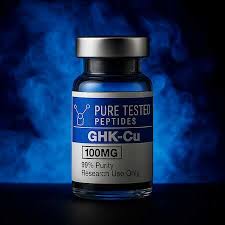
peptides ghk

Peptides  are short chains of amino acids, which are the building blocks of proteins. Think of them as smaller versions of proteins.

How Peptides Work in the Body

Peptides play a key role in regulating biological functions by sending signals between cells and helping control processes such as hormone release, metabolism, and tissue repair.

Because of their signaling ability, peptides are widely studied in scientific and laboratory research to better understand how the body functions at a cellular level.

Biological Functions of Peptides

Peptides helps to regulate a wide range of biological processes by communicating instructions between cells and controlling how the body responds to different stimuli.

Because of their versatility and precision, peptides are widely studied in scientific and laboratory environments to better understand how biological systems function.

Why Choose PeptideLab ?

At PeptideLabUK, we focus on delivering high-quality peptide compounds you can trust. All our products are sourced from reputable laboratories and tested for purity and consistency.

We are committed to providing reliable service, fast UK delivery, and transparent product information so you can confidently carry out your research.

  • Premium-grade peptides with high purity
  • Third-party lab tested (COA available)
  • Fast and discreet UK shipping
  • Competitive pricing
  • Dedicated customer support

What Are Research Peptides?

lab-grade peptides are short chains of amino acids that play an important role in various biological functions. They are widely studied for their potential in areas such as muscle development, recovery, fat metabolism, and anti-aging research.

In the UK, peptides are commonly used for laboratory and research purposes, where purity and quality are essential. Choosing a trusted supplier ensures consistent results and reliable data.

At PeptideLabUK, we provide high-quality research peptides that meet strict standards for purity and performance.

Why Researchers Use Peptides

Researchers in the UK use peptides because they are valuable tools for studying key biological processes in controlled laboratory environments. They are commonly used in muscle recovery research to understand tissue repair mechanisms, and in fat metabolism studies to examine how the body processes energy. Peptides are also widely explored in anti-aging research for their role in cellular regeneration and skin biology. In addition, they are used in performance optimization studies to better understand physical endurance and recovery pathways. Overall, peptides are widely used in scientific and lab environments due to their precision, versatility, and ability to support advanced biomedical research.

  • Supports muscle recovery research
  • May assist in fat metabolism studies
  • Used in anti-aging research
  • Helps study performance optimization
  • Widely used in scientific and lab environments

commonly studied research peptides

Here are some of the most commonly studied research peptides UK and what they are generally investigated for in scientific settings:

BPC-157

A peptide widely studied for its potential role in tissue repair and healing processes. Researchers often look at how it may interact with muscles, tendons, and the digestive system in controlled lab environments.

TB-500 (Thymosin Beta-4 fragment)

Studied for its involvement in cell migration and recovery mechanisms. It is often researched in relation to tissue regeneration and flexibility of connective tissues.

GHRP-6

A growth hormone releasing peptide studied for its ability to stimulate growth hormone secretion pathways. It is often used in metabolic and endocrine research models.

I’ve ordered from several peptide suppliers before, but this one at PeptidesLab UK stands out. The product quality is consistent, packaging is discreet, and delivery was faster than expected. Everything arrived exactly as described. Definitely sticking with them for future orders.

JAMES CARTER

I was honestly skeptical at first, but after my first order, I was impressed. The customer support team answered all my questions quickly, and the products were well-packaged and clearly labeled. Great experience overall.

OLIVIA BENNETT / Facebook

Reliable service and solid quality. I’ve placed multiple orders now and haven’t had a single issue. Shipping is smooth, and the website is easy to navigate. Highly recommended for anyone looking for a trustworthy source.

MICHEAL .R

Latest News

Frequently Asked Questions

Do peptides expire?

Yes, peptides do expire over time. Their stability depends on factors like storage conditions, temperature, and whether they are in lyophilized (powder) or reconstituted form. Proper storage usually in a cool, dry environment or refrigerated can help extend their shelf life. Always check expiration dates and follow recommended storage guidelines to maintain quality.

Do peptides require a prescription in the UK?

Yes — straightforwardly and unambiguously yes. Peptides are legal to purchase in the UK for research purposes, and no prescription is required. Our products are labelled for research use only, which is the standard regulatory framework under which research chemicals are supplied in the UK. This is a legal labelling requirement, not an indication that anything unusual is going on.

Buying from a UK-registered company means your purchase is made entirely within UK law. There are no import complications or grey areas for domestic orders.

How Do Research Peptides Work?

Research peptides work by binding to specific receptors on cells. Once attached, they activate or influence certain biological pathways.

This allows researchers to study processes such as:

  • Hormone release and regulation
  • Cellular repair and regeneration
  • Metabolic activity and energy balance
  • Brain and neurological signaling

Their ability to target specific pathways makes them highly useful in laboratory research.

How should peptides be stored?

Peptides should be stored properly to maintain their stability and quality. Most peptides in lyophilized (powder) form should be kept in a cool, dry place, ideally refrigerated between 2–8°C. Once reconstituted, they should be stored in the refrigerator and used within a shorter time frame to prevent degradation. Avoid exposure to heat, light, and repeated temperature changes, as these can reduce peptide effectiveness.

How long does shipping take in the UK?

Orders are dispatched on the next working day service Monday-Friday. If your order is placed before 15:00, it will be dispatched on the same day. 

Your order should be received within the next working days, depending on which time of day your order was placed. 

Some circumstances are out of control (natural disasters, holidays, weather, etc.) that may cause shipping postponements. While most packages will arrive on time, there may be circumstances and delays that our carriers may experience. For this reason, we do not guarantee the exact delivery time; the delivery issue is the shipping company’s responsibility.

How do I choose high-quality peptides?

Choosing high-quality peptides is essential for accurate and reliable research results. The most important factor is purity—look for peptides with at least 95–98% purity, as anything lower may contain unwanted impurities that can affect outcomes.

Always check for a Certificate of Analysis (COA) from a third-party laboratory. This document confirms the peptide’s identity, purity, and batch details—without it, quality cannot be verified.

Why do peptides come in powder form?

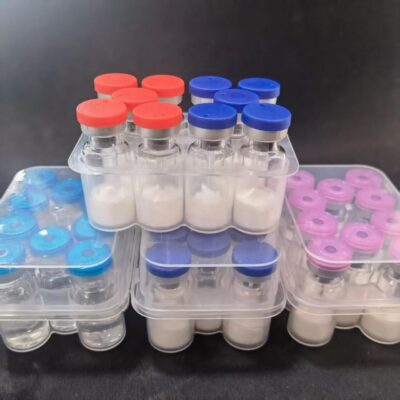
Peptides come in powder (lyophilized) form because they are very delicate molecules that can break down easily in liquid. Removing the water through a freeze-drying process helps keep them stable, pure, and long-lasting during storage and transport.

In powder form, peptides are less likely to degrade from heat or contamination, and they can be reconstituted later in a controlled way when needed. This also improves shelf life, accuracy, and consistency for laboratory research use.

Why Are Research Peptides Used in the UK?

Research peptides are used in the UK mainly for scientific and laboratory studies to better understand how biological systems work at a molecular level. They act as signaling molecules, helping researchers study processes like hormone regulation, cell communication, metabolism, and tissue function.

They are also widely used in biochemistry, endocrinology, neuroscience, and metabolic research because they can target specific receptors in the body, allowing for precise and controlled experiments. This makes them valuable tools for studying how the body responds to different biological signals.

  • Highly specific – target precise biological functions
  • Naturally inspired – similar to compounds found in the body
  • Versatile – used across many research fields
  • Easy to study – suitable for controlled lab environments
What is the difference between peptides and SARMs?

Peptides and SARMs are both studied in research environments, but they are very different in structure and how they work in the body.

Peptides are short chains of amino acids that act as signaling molecules. They work by binding to specific cell receptors and triggering natural biological processes such as hormone release, tissue repair, or metabolic activity.

SARMs (Selective Androgen Receptor Modulators), on the other hand, are synthetic small-molecule compounds that bind directly to androgen receptors in the body. They are designed to selectively influence muscle and bone-related pathways in research models.

In simple terms, peptides “signal” the body to respond naturally, while SARMs directly interact with specific hormone receptors to influence targeted pathways.

Start Your JOURNEY with Premium Peptides UK

Shop Peptides Now