













Peptide lab UK | Premium Peptides UK 


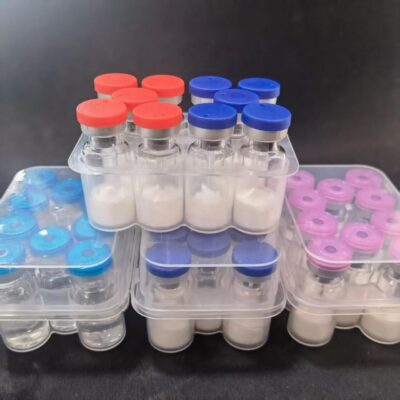
At Peptide Lab UK, we are committed to supplying premium research peptides backed by quality, reliability, and outstanding customer service. Trusted by researchers across the UK and beyond, we strive to provide high-quality products that support a wide range of laboratory research applications.

Our research peptides are sourced from trusted manufacturing facilities operating to rigorous quality standards. Products are carefully handled and stored under controlled conditions to help maintain their quality and stability throughout the supply process.

We pride ourselves on offering a secure and straightforward shopping experience, fast UK delivery, competitive pricing, and dedicated customer support. Whether you’re placing a single order or sourcing products for ongoing research, PeptideLab UK is committed to providing dependable service and quality research products.

Thank you for choosing Peptide Lab UK as your trusted research peptide supplier.

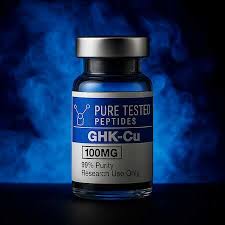
peptides ghk

What Are Peptides?

Peptides are short chains of amino acids that play important roles in biological systems. Their structure allows them to interact with specific biological targets, making them valuable subjects of research across fields such as biochemistry, endocrinology, molecular biology and pharmacology.
 
Researchers study peptides to better understand cellular communication, receptor activity, signalling pathways and other biological processes.
 
Because individual peptides can behave very differently, research should always consider the specific compound, experimental model and applicable laboratory requirements. We provide the best research peptides at Peptide lab UK.

Peptide Research Applications

Peptides are studied across a range of scientific disciplines because they can interact with specific biological pathways.
 

Molecular Biology

Researchers investigate peptide interactions with cells, receptors and signalling pathways.
 

Metabolic Research

Peptides may be examined in studies involving metabolism, energy regulation and related biological processes.
 

Cellular & Tissue Research

Certain peptides are investigated in controlled models to understand cellular communication and tissue-related mechanisms.
 

Endocrine Research

Peptide signalling is also studied to better understand hormone-related pathways and biological regulation.

Commonly Studied Research Peptides At Peptide lab UK

Different peptides are investigated for different biological properties. Research should be interpreted in the context of the specific compound and experimental model. At Peptide lab UK we make to provide it in high qaulity 
 

BPC-157

A peptide that has been investigated in preclinical research involving cellular and tissue-related processes.
 

TB-500 / Thymosin Beta-4 Research

Research involving thymosin-related compounds has examined processes including cell migration and tissue biology.
 

GHRP-6

GHRP-6 has been studied in experimental models involving growth-hormone signalling and endocrine pathways.
 
Research findings from laboratory or animal studies should not automatically be interpreted as evidence of safety or effectiveness in humans.

Latest News

Ipamorelin vs CJC-1295: What’s the Difference?

Ipamorelin vs CJC-1295: What’s the Difference? (UK Research Guide) If you’ve been looking into research [...]

CJC-1295 Benefits: A Research Guide

CJC-1295 Benefits: A Research Guide CJC-1295 is one of the most talked-about peptides in research [...]

Peptides for Strength and Performance: A Simple UK Research Guide

When people talk about improving strength and performance, peptides often come up. In research settings, [...]

Peptides for Muscle Recovery: Complete UK Research Guide (2026)

Muscle recovery is a key focus in scientific research, especially in studies involving tissue repair, [...]

Buy Peptides UK: Complete Guide to High-Quality Research Peptides (2026)

Buy Peptides UK: Complete Guide to High-Quality Research Peptides (2026) If you’re looking to buy [...]

Best Peptides for Fat Loss in the UK (2026 Guide)

Best Peptides for Fat Loss in the UK (2026 Guide) Peptides are widely studied in [...]

Top 10 Research Peptides for Performance & Recovery (UK)

Top 10 Research Peptides for Performance & Recovery (UK) Peptides are widely studied in scientific [...]

Where to Buy Research Peptides in the UK Safely

Where to Buy Research Peptides in the UK Safely With the growing interest in scientific [...]

Frequently Asked Questions

Research peptides are peptide compounds used as subjects or tools in scientific and laboratory research. Their suitability depends on the particular compound and the purpose of the study.

Researchers and laboratories may use analytical techniques such as HPLC and mass spectrometry to evaluate characteristics including purity and molecular identity.
A Certificate of Analysis (COA) is documentation describing testing performed on a particular batch. Depending on the laboratory, it may contain information about identity, purity, batch numbers and analytical methods.
Lyophilization, or freeze-drying, can improve the stability of certain peptide compounds during storage. Stability varies between compounds, so appropriate manufacturer or laboratory guidance should be followed.
Temperature, moisture, light, formulation and handling conditions can all affect stability. The appropriate storage conditions depend on the specific compound and validated laboratory requirements.
Not necessarily. Results from in-vitro or animal studies cannot automatically be interpreted as evidence that a compound is safe or effective for human use.
Our research guides cover peptide structure, analytical testing, stability, biological signalling and other topics relevant to peptide research.

Yes, peptides do expire over time. Their stability depends on factors like storage conditions, temperature, and whether they are in lyophilized (powder) or reconstituted form. Proper storage usually in a cool, dry environment or refrigerated can help extend their shelf life. Always check expiration dates and follow recommended storage guidelines to maintain quality.

Research peptides work by binding to specific receptors on cells. Once attached, they activate or influence certain biological pathways.

This allows researchers to study processes such as:

  • Hormone release and regulation
  • Cellular repair and regeneration
  • Metabolic activity and energy balance
  • Brain and neurological signaling

Their ability to target specific pathways makes them highly useful in laboratory research.

Peptides should be stored properly to maintain their stability and quality. Most peptides in lyophilized (powder) form should be kept in a cool, dry place, ideally refrigerated between 2–8°C. Once reconstituted, they should be stored in the refrigerator and used within a shorter time frame to prevent degradation. Avoid exposure to heat, light, and repeated temperature changes, as these can reduce peptide effectiveness.

Orders are dispatched on the next working day service Monday-Friday. If your order is placed before 15:00, it will be dispatched on the same day. 

Your order should be received within the next working days, depending on which time of day your order was placed. 

Some circumstances are out of control (natural disasters, holidays, weather, etc.) that may cause shipping postponements. While most packages will arrive on time, there may be circumstances and delays that our carriers may experience. For this reason, we do not guarantee the exact delivery time; the delivery issue is the shipping company’s responsibility.

Choosing high-quality peptides is essential for accurate and reliable research results. The most important factor is purity—look for peptides with at least 95–98% purity, as anything lower may contain unwanted impurities that can affect outcomes.

Always check for a Certificate of Analysis (COA) from a third-party laboratory. This document confirms the peptide’s identity, purity, and batch details—without it, quality cannot be verified.

Research peptides are used in the UK mainly for scientific and laboratory studies to better understand how biological systems work at a molecular level. They act as signaling molecules, helping researchers study processes like hormone regulation, cell communication, metabolism, and tissue function.

They are also widely used in biochemistry, endocrinology, neuroscience, and metabolic research because they can target specific receptors in the body, allowing for precise and controlled experiments. This makes them valuable tools for studying how the body responds to different biological signals.

  • Highly specific – target precise biological functions
  • Naturally inspired – similar to compounds found in the body
  • Versatile – used across many research fields
  • Easy to study – suitable for controlled lab environments

Peptides and SARMs are both studied in research environments, but they are very different in structure and how they work in the body.

Peptides are short chains of amino acids that act as signaling molecules. They work by binding to specific cell receptors and triggering natural biological processes such as hormone release, tissue repair, or metabolic activity.

SARMs (Selective Androgen Receptor Modulators), on the other hand, are synthetic small-molecule compounds that bind directly to androgen receptors in the body. They are designed to selectively influence muscle and bone-related pathways in research models.

In simple terms, peptides “signal” the body to respond naturally, while SARMs directly interact with specific hormone receptors to influence targeted pathways.

Explore Peptide Research At Peptide lab UK

Build your understanding of peptide science through our research guides and educational resources.
Learn about peptide structure, analytical testing, stability, biological signalling and the principles behind responsible laboratory research.
 
Explore the Research Library
Shop research Peptides Now

Disclaimer

By purchasing from PeptideLab UK, you acknowledge and agree to the following terms:

Research Use Only (RUO)

All products supplied by PeptideLab UK are sold strictly for Research Use Only (RUO). They are intended exclusively for in vitro laboratory research and are not intended for human or animal consumption, therapeutic, diagnostic, clinical, veterinary, or cosmetic use.

Not Medicines

None of the products available on our website are medicines, medical devices, or food supplements. They are not marketed or supplied for the prevention, diagnosis, treatment, or cure of any disease or medical condition.

Customer Responsibility

The purchaser is solely responsible for ensuring the lawful purchase, importation, possession, storage, handling, and use of all products. Customers must comply with all applicable local laws, regulations, and laboratory safety requirements. It is also the buyer’s responsibility to determine whether a product is suitable for their intended research application.

Returns & Replacements

If your order arrives damaged, faulty, or incorrect, please contact our customer support team as soon as possible. Eligible replacements or refunds will be processed in accordance with our Terms & Conditions and Refunds & Returns Policy.

Acceptance of Terms

By placing an order with PeptideLab UK, you confirm that you have read, understood, and accepted this disclaimer, along with our Research Use Only (RUO) Policy and Terms & Conditions.